

Best Holiday Activities By Trying Bali ATV Tour
March 25, 2025
A Tropical Paradise for Watersports Enthusiasts
March 26, 2025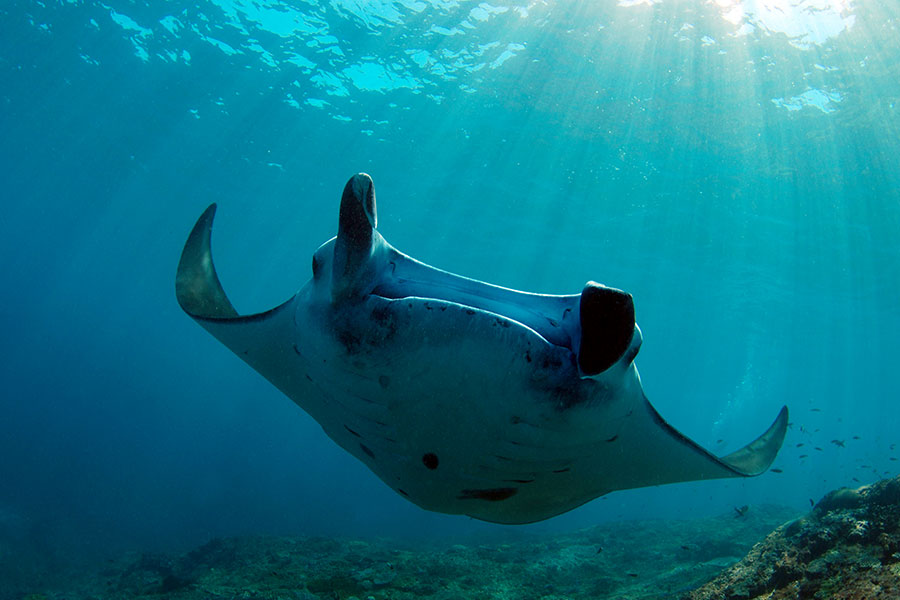
Interesting Facts About Manta Rays In Bali: Review Now!
Manta Rays in Bali are one of the most amazing underwater attractions for divers and marine life lovers. Their beauty and large size make them look majestic while swimming in Bali’s tropical waters. This species is known to be a friendly sea creature and can often be seen floating gracefully around divers without fear.
The uniqueness of manta rays lies in the unique pattern on their abdomen that is different for each individual, like a human fingerprint. This helps researchers identify and track manta ray populations around the world. In Bali, they are often seen in small groups or even interacting with small fish that cleanse their bodies of parasites.
In addition, Manta Rays in Bali do not have a sting like most other ray species, so they are completely safe for humans. They also have broad wings with a span of up to seven meters, making them one of the largest fish in the ocean. With their gentle and captivating swimming style, manta rays provide an unforgettable experience for anyone lucky enough to encounter them in Bali.
Read More: Best Holiday Activities By Trying Bali ATV Tour
Best Habitats and Locations to See Manta Rays in Bali
Bali has some of the best locations to see manta rays, especially around Nusa Penida and Nusa Lembongan. One of the most famous spots is Manta Point, a dive site in the south of Nusa Penida that is home to many manta rays throughout the year.
At Manta Bay, which is also located on Nusa Penida, manta rays are often seen in shallow waters, so they can be observed not only by divers, but also by snorkelers. The clear water and relatively calm currents make this place an ideal choice for tourists who want to see manta rays up close.
In addition, manta rays can also be found around Crystal Bay and several other dive spots in Bali’s waters. The best season to see them is between April and October, when water conditions are more stable and clear. However, since manta rays are not migratory fish, they can be found all year round in Bali’s waters.
Unique Behavior of Manta Rays in the Wild
Manta rays are known to be social creatures that are often seen swimming in small groups. They have a unique habit called “cleaning stations,” which are places where small fish help rid their bodies of parasites. Mantas will circle around this area while letting the cleaning fish do their job.
In addition, manta rays often make jumps from the water, known as “breaching.” This behavior is believed to have several functions, such as communication with other manta rays, removing parasites from the body, or simply showing their strength and skill in the sea.
Interestingly, Manta Rays in Bali have the largest brains among other cartilaginous fish, which makes them highly intelligent. They are known to be able to recognize themselves in a mirror, a sign of self-awareness rarely found in the marine animal world.
Why Is Bali A Favorite Place for Manta Rays?
Bali is home to many manta rays due to its favorable environmental factors and ecosystem. Bali’s waters have plenty of plankton and natural food for manta rays, which is their main source of nutrition.
Factors that make Bali a favorite place for manta rays:
- Abundant Food Availability: The abundance of plankton in Bali’s waters makes it an ideal place for manta rays to feed.
- Stable Ocean Currents: The calm ocean currents at some dive sites such as Manta Point help manta rays to swim comfortably and search for food without interruption.
- Presence of Cleaning Stations: These natural cleaning stations allow manta rays to eliminate parasites with the help of small fish, so they often return to the same location.
- Conservation and Protection: Bali has become part of the manta ray conservation efforts, with the existence of marine protected areas aimed at safeguarding their habitat from the threats of poaching and pollution.
Interesting Facts about Manta Rays You Need to Know
Manta rays are one of the largest fish species in the ocean and are often the main attraction for divers and snorkelers in Bali. They have a wingspan that can reach up to seven meters and are known to be friendly and harmless to humans. Unlike some other species of rays, manta rays do not have stingers, making them safe to observe up close.
Interesting facts about manta rays:
- Largest Brain Among Cartilaginous Fishes: Manta rays have large brains compared to other fish, which makes them highly intelligent and able to recognize other individuals, including humans.
- Unique Pattern on the Abdomen: Like human fingerprints, each manta ray has a unique pattern on its underside, which helps researchers identify them.
- Has No Teeth and Eats Only Plankton: Manta rays use a filter inside their mouths to filter plankton and other small organisms from seawater as their main food source.
- Often Seen Hovering at ‘Cleaning Stations’: Manta rays like to visit certain places in the ocean, where small fish help clean their bodies of parasites and debris.

Take a Nusa Penida Snorkeling Tour with Bali Fun Activities!
If you want to see manta rays up close, join the Nusa Penida Snorkeling Tour with Bali Fun Activities. This tour offers an unforgettable experience to swim and watch manta rays in their natural habitat. With professional guides and quality snorkeling equipment, you can enjoy the underwater beauty of Nusa Penida safely and comfortably.
Advantages of Nusa Penida Snorkeling Tour from Bali Fun Activities:
- Visit to the Best Snorkeling Spots: You will be taken to some popular locations such as Manta Point, Crystal Bay, and Gamat Bay which are famous for their water clarity and biodiversity.
- Guided by a Professional Team: Experienced snorkeling guides will ensure your safety as well as help you find the best locations to encounter manta rays.
- Quality Snorkeling Equipment: Bali Fun Activities provides high-quality masks, snorkels, and fins for comfort during snorkeling.
- Transportation and Lunch Included: This package includes transportation from the hotel to the port as well as lunch after your snorkeling adventure.
Tips for Snorkeling and Diving with Manta Rays in Bali
Snorkeling and diving with Manta Rays in Bali is an amazing experience, but there are a few things to consider to make this activity safe and comfortable.
Top tips for snorkeling and diving with manta rays:
- Do Not Touch Manta Rays: Although manta rays are friendly creatures, touching them can damage the protective mucus layer on their bodies.
- Stay Calm and Avoid Sudden Movements: Sudden movements can make manta rays feel disturbed, so stay calm and enjoy their presence in a relaxed manner.
- Use Fins to Ease Movement: Using fins or frog legs will help you swim more efficiently and maintain a safe distance from the seabed.
- Avoid Blocking Their Swimming Path: Manta rays have a natural swimming pattern, so make sure you stay out of their way to avoid disturbing them.
- Choose the Right Time for Snorkeling: The dry season between April to October is the best time for snorkeling and diving as the water is clearer and calmer.
Conclusion: Why Meeting Manta Rays in Bali Should Be on Your Bucket List?
Bali is not only a cultural and beach destination, but also a paradise for underwater life lovers. Meeting manta rays in their natural habitat provides a unique experience that cannot be found in many other places in the world. With crystal clear waters, favorable ocean currents, and many spectacular snorkeling and diving spots, Bali is the best place to see the grace of manta rays firsthand.
Joining the Nusa Penida Snorkeling Tour with Bali Fun Activities will ensure a safe and comfortable experience when encountering manta rays. So, if you’re looking to add an incredible adventure to your bucket list, don’t miss the chance to see Manta Rays in Bali in the beautiful waters of Bali!
You May Also Like:


By clicking Subscribe, you have agreed to our Terms & Conditions and Privacy