

Get Wet and Wild on a Bali Water Rafting Tour
October 3, 2026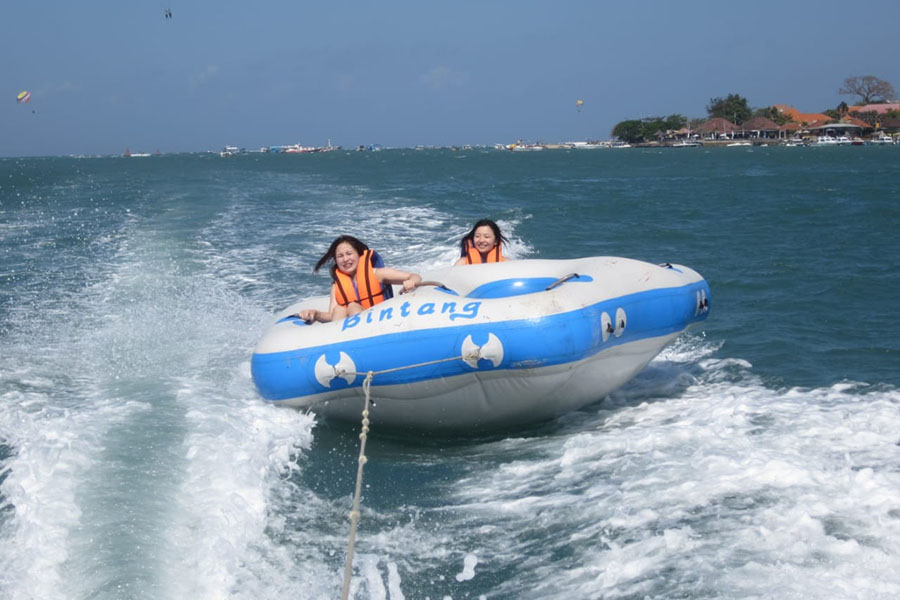
A Different Way to Enjoy With Bali Water Sports Activities
Most Bali itineraries fill up with temples, terraced rice fields, volcano viewpoints, and cultural performances. Yet the island is ringed by coastline, and many visitors barely spend time on the water. Bali water sports activities are a practical way to change that, offering a view of the shoreline from the surface of the sea and a hands-on balance to a sightseeing schedule.
This guide covers how the main activities differ and what to think about before choosing one, drawing on the experiences listed by Bali Fun Activities.
Why Water Sports Are a Different Way to Enjoy Bali
A Different Way to Enjoy With Bali Water Sports Activities | balifunactivities.com
The sea is central to Balinese life. Coastal communities hold purification ceremonies at the shore, and fishing boats line many beaches. Spending time on the water connects you to that setting in a way a viewpoint cannot.
That is the appeal of water sports in Bali. Instead of looking at the coastline, you move through it. Even a familiar beach looks new once you are a little way from the sand.
The category also works well for mixed groups. Many activities suit first-timers under supervision, and Bali beach water sports sit comfortably between a relaxing beach day and full-on adventure travel. A Bali water adventure does not have to mean anything extreme.
Exploring Different Bali Water Sports Activities
The Bali Fun Activities website lists a Bali Water Sports experience, and the activities associated with it include kayaking, stand-up paddle, snorkeling, and banana boat. You can check what is currently offered on the Bali Water Sports page.
Kayaking
Kayaking is seated and self-powered. You sit low, close to the surface, and the paddle gives you control over where you go. It suits travelers who like exploring at their own rhythm.
It works best for people who are comfortable around water and happy with moderate effort in the arms and shoulders. Ask about the conditions where you will paddle, and make sure you have a properly fitted life vest.
Stand-Up Paddle
Stand-up paddle asks you to stand on a large board and move with a single paddle. Balance and coordination are the key skills, and calmer water is far more forgiving than wind and chop. Standing gives a higher vantage point than kayaking, so the coastline and horizon come into view together.
Snorkeling
Snorkeling is the most direct way to see what lies beneath the surface. It is the natural choice for travelers curious about reefs and fish, and it suits those who prefer quiet observation to paddling. It is a clear example of Bali marine activities that reward patience.
The basic gear is a mask, a snorkel, and often fins and a flotation vest. Confirm what your operator provides and ask for a fit check. Corals are living organisms that a careless kick can damage, so keep your distance and never stand on reef. Bali Fun Activities also lists snorkeling around Nusa Penida on its Nusa Penida snorkeling page.
Banana Boat
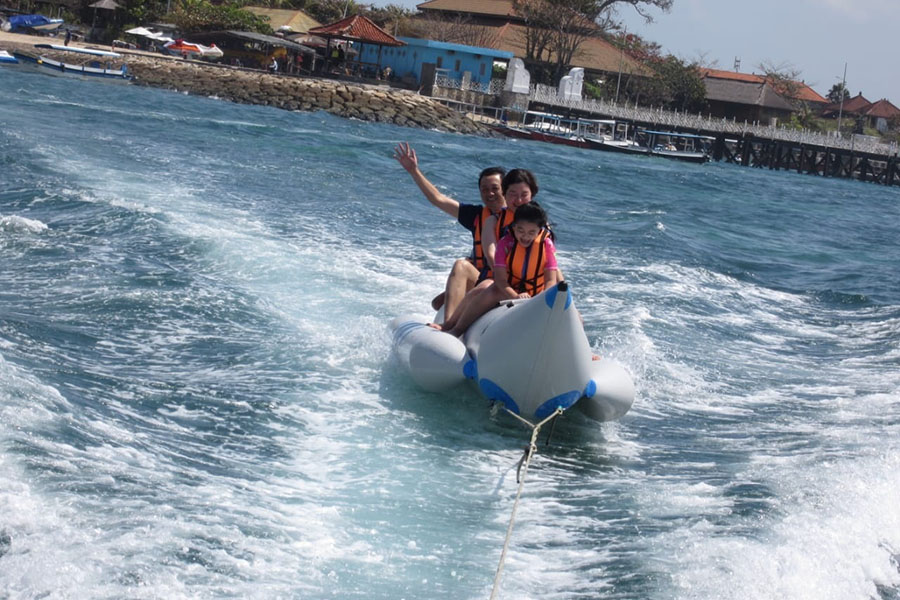
Banana boat is a group activity. Riders sit on an inflatable float pulled by a motorboat, and the mood is playful and social. It appeals to friends and families because it needs no technical skill.
It is a recreational ride, not an extreme sport, and following the crew’s instructions on seating, holding on, and signaling keeps it that way. Anyone uneasy about water should speak with the crew first.
Choosing the Right Water Activity for Your Bali Trip
Consider Your Comfort Level
People feel very differently once their feet leave the bottom. Some are strong swimmers, while others prefer shallow areas near the shore. Be candid about where you fall.
Think About the Type of Experience You Want
Kayaking leans toward exploration, and stand-up paddle rewards scenery and body coordination. Snorkeling offers contact with the marine environment, while banana boat centers on shared enjoyment. The right choice depends on what you want the day to feel like.
Check the Weather and Water Conditions
Wind, swell, and currents vary by day and by stretch of coast. Responsible operators watch them and may adjust or postpone an activity.
Consider the Environment
A well-run provider looks after the beach and water where it works. Tidy launch areas and clear briefings about not touching marine life show how seriously a team takes its surroundings.
What to Consider Before Trying Water Sports in Bali
Check the forecast, ask how the water looks that day, and find out which equipment is supplied so you know what to bring.
Wear clothing you are happy to get wet and use sun protection suited to the sea. Reef-friendly sunscreen is a thoughtful choice. Leave valuables behind or store them securely, and never take phones or wallets onto the water unprotected.
Most importantly, listen to the safety briefing and the instructor. It explains how to use the gear, how to signal for help, and what to do if conditions change. These activities should always be done with supervision, never alone in unfamiliar water.
Finding the Right Place for Water Sports in Your Bali Itinerary
Water sports fit best when they connect with areas you already plan to visit. Consider where you are staying, which coastal spots are easy to reach, and what else is nearby. Pairing Bali water activities with a beach you would visit anyway keeps the plan simple.
Group makeup matters too. A solo traveler may like the independence of a kayak, a couple may enjoy paddleboarding for the views, and a family may lean toward banana boat. For other options, the Popular Activities page gathers more experiences.
Why Safety Matters in Bali Water Activities
Safe participation rests on a few habits: wearing proper equipment, listening to the briefing, following the instructor, and understanding that water and weather can shift. Declining an activity, or asking to stay closer to shore, is a sensible decision.
Look for an operator with clear procedures, staff who explain things properly, and a willingness to say no when conditions are poor. No outdoor activity is entirely without risk, and responsible providers do not pretend otherwise.
Enjoy Water Activities While Respecting Bali’s Marine Environment
The reefs and beaches that draw visitors are fragile, and small choices add up. Enjoying Bali sea activities responsibly comes down to simple habits. Take your rubbish with you, avoid coral, and do not chase, touch, or feed marine animals. Follow the rules your operator sets, and pick up litter on the beach even when it is not yours. These efforts keep Bali aquatic activities enjoyable for the next visitor.
Making Space for the Sea on Your Bali Trip
Bali ocean activities let travelers slow down, move with the water, and see familiar scenery from a new angle. Bali water sports activities suit a wide range of people, from cautious first-timers to those who simply want time outdoors with friends or family.
Choose based on comfort, curiosity, and conditions, and give safety guidance and the marine environment the respect they deserve. When you are ready to look at real options, browse the Bali Water Sports page or the wider selection of activities in Bali on the Bali Fun Activities website.
Frequently Asked Questions (FAQ)
What are some popular water sports activities in Bali?
Kayaking, stand-up paddle, snorkeling, and banana boat are associated with the Bali Water Sports experience from Bali Fun Activities. Each offers a different kind of contact with the sea.
Which water activity is suitable for beginners?
Snorkeling, stand-up paddle, and banana boat can suit first-timers when done with an instructor. Tell the operator you are a beginner.
What should you consider before choosing water sports in Bali?
Think about your comfort in the water, the weather, the equipment provided, the safety briefing, and how the operator treats the marine environment.
How do you choose the right water sport in Bali?
Start with the experience you want: kayaking for exploring, stand-up paddle for scenery and balance, snorkeling for marine life, banana boat for a social outing.
How can travelers enjoy Bali water activities responsibly?
Follow the operator’s instructions, avoid touching coral or wildlife, keep your rubbish with you, and use reef-friendly sun protection.
You May Also Like:


By clicking Subscribe, you have agreed to our Terms & Conditions and Privacy